
Construction guide
Houston Construction Change Management Guide
A practical owner-focused guide to documenting, pricing, reviewing, and approving construction changes without losing control of scope, cost, or schedule.
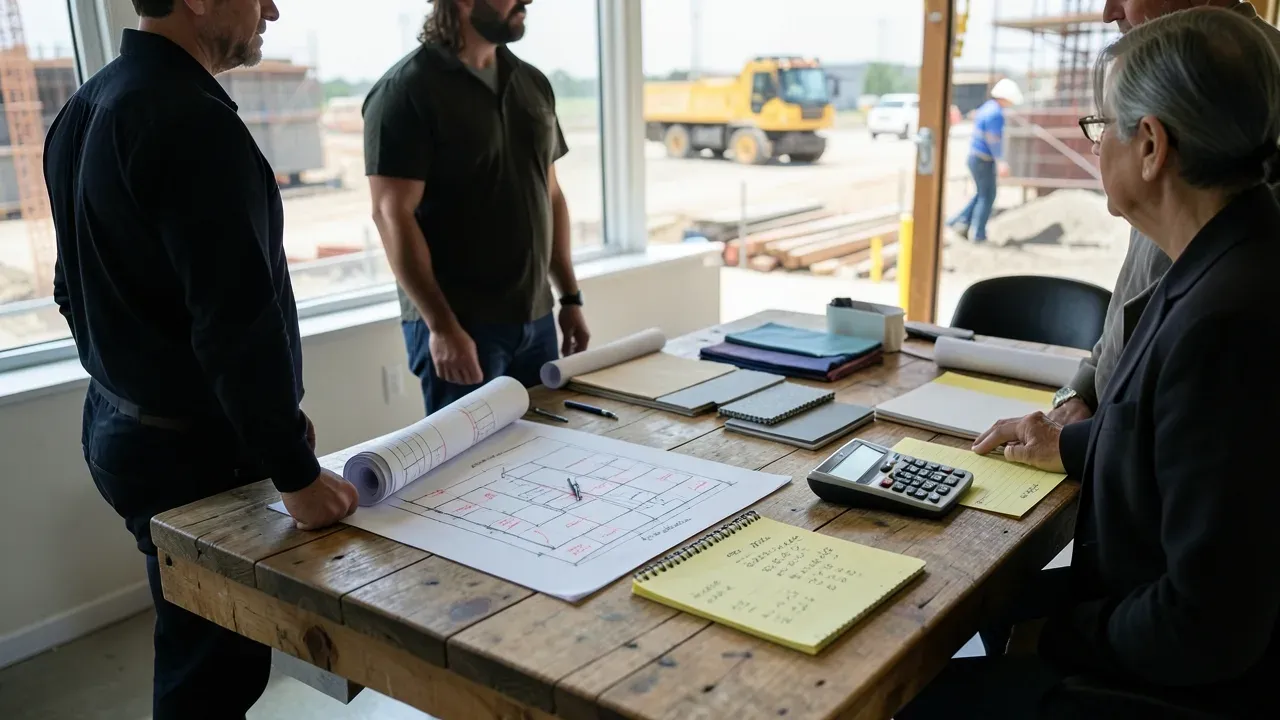
Construction changes are normal. Losing track of them is not. For a Greater Houston owner, developer, or project partner, the practical risk is rarely the existence of a change by itself. The bigger problem is a change moving from conversation to field work before everyone understands what is changing, why it is changing, how much it costs, whether it affects time, and which document now controls.
Industry guidance supports that basic discipline. The American Institute of Architects notes that contingency is a project risk-management tool and that unclear use of contingency can create budget problems. A separate AIA best-practices article connects clearer drawings and specifications with fewer requests for information, change orders, rework, and delays. ConsensusDocs likewise treats a change order as a formal way to document adjustments to services, compensation, and deliverables. Those sources describe general industry practice. The owner-side framework below is an application of that logic to the day-to-day realities of Greater Houston construction.
Establish a baseline before the first change appears
Change management starts with knowing what the baseline actually is. Before construction begins, the owner team should be able to point to the approved drawings, specifications, contract scope, alternates, allowances, schedule milestones, and any owner decisions that were intentionally left open. If the baseline is fuzzy, every later disagreement becomes harder to resolve because the team first has to debate what was included.
A practical baseline does not need to be complicated. It can be a controlled set of contract documents plus a concise decision log. The important part is that the project team knows which revision is current and which items are still assumptions. When drawings are updated, the change-management process should record the revision date and the reason for the update. When an allowance is used, the team should know whether the decision changes only the allowance balance or also changes labor, schedule, access, or downstream work.
Greater Houston projects often involve multiple jurisdictions, utility interfaces, owner-furnished selections, and weather-sensitive sequencing. None of those conditions automatically creates a compensable change. They do make it more important to separate known project constraints from genuinely new information.
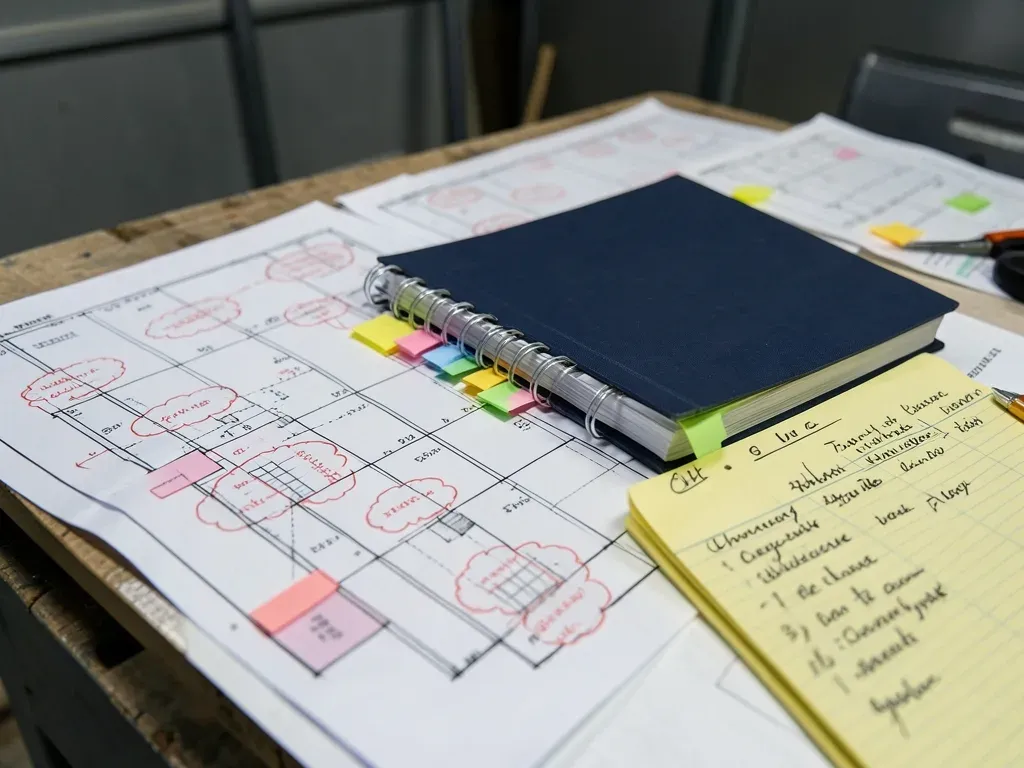
Create one path from field discovery to owner decision
The fastest way to lose control is to let changes enter the project through several informal channels. A field conversation, a text message, a meeting note, and an email can all describe the same issue differently. The owner should define one path for turning a potential change into an approved decision.
A useful workflow has four stages: identify, document, evaluate, approve. The first record should describe the condition in plain language and point to the affected area or drawing. The evaluation should then separate scope, cost, and schedule effects instead of treating them as one number. Finally, approval should be explicit. A team can still move quickly, but speed should come from a predictable process rather than from skipping documentation.
The owner should also distinguish between a potential change and an approved change. A contractor may need to investigate a condition before a price is known. A designer may need to clarify intent before the team can decide whether the work is within the original scope. The log should preserve those distinctions. That helps prevent a running list of unresolved issues from being mistaken for committed cost.
For urgent work, the contract should already define who can authorize limited action and what documentation must follow. This article does not replace the project’s contract terms. The practical point is that emergency or time-sensitive decisions still need a documented trail.
Price the whole impact, not just the visible work
A change that looks small in the field can touch several cost categories. Owners should ask whether the proposed price includes demolition, remobilization, temporary protection, added supervision, equipment, freight, material escalation, subcontractor work, testing, permit revisions, and restoration of adjacent finished work. The goal is not to challenge every line item; it is to understand what the price represents.
Schedule effects deserve the same attention. A change may add no days if it fits within available float, or it may move a critical activity even when the direct cost is modest. Conversely, a high-cost material substitution may have little schedule effect if it shortens procurement. Owners should therefore request a short schedule narrative when timing is affected: what activity changes, what milestone is exposed, and whether any recovery plan is proposed.
AIA’s contingency guidance is especially relevant here. Contingency can absorb uncertainty, but it should not become an informal bucket that hides scope growth. Owners benefit from tracking at least three numbers separately: approved changes, pending changes, and remaining contingency. That view is more useful than looking only at the original contract amount and current paid-to-date total.

Decide quickly, but preserve the decision logic
Slow decisions can create their own cost. If a change affects work that is about to be covered, fabricated, inspected, or handed to another trade, waiting too long can turn a simple decision into rework. Owners should set internal approval thresholds and response expectations before construction reaches that point.
That does not mean every change should be approved immediately. A good review asks three questions. Is the change necessary to complete the agreed scope? Is it an owner-driven enhancement or preference? Is it caused by newly discovered information that could not reasonably be resolved earlier? The answer helps the owner decide whether to approve, reject, defer, redesign, or request alternatives.
The decision log should capture the reason, not just the signature. Months later, that context can matter when the team reconciles contingency, explains a schedule movement, or reviews final cost. A short note such as “accepted to avoid opening finished ceiling later” is more useful than an approval with no rationale.
Owners should also watch for cumulative effect. Ten individually manageable changes can create a coordination problem when they affect the same area, same subcontractor, or same milestone. Periodic change-review meetings should therefore look for clusters, not only individual items.
Connect change management to design and procurement
The cheapest change is often the one resolved before fabrication or installation. AIA’s guidance on clear drawings and specifications supports a front-end approach: owners should use design reviews, constructability discussions, and procurement checkpoints to surface ambiguity before it reaches the field.
Long-lead items deserve special treatment. If equipment, storefront, structural steel, specialty finishes, or electrical gear has already been released, a design change may create cancellation fees, restocking costs, re-engineering, or schedule movement even when the physical work has not started. The change log should therefore show procurement status for affected items.
Owner selections also need deadlines. “TBD” can be useful early in design, but it should not survive indefinitely. A decision schedule tied to submittal and procurement dates helps the owner understand when a preference can still change cheaply and when it becomes a project change with wider consequences.
For renovation work, existing conditions should be documented as early as practical. Selective demolition, field verification, scanning, testing, and exploratory openings can reduce uncertainty before a final scope is released. These activities do not eliminate change orders, but they can move decisions earlier when the range of options is larger.
Close each change so the final documents stay accurate
A change is not finished when the price is approved. The revised scope needs to reach the people performing, inspecting, testing, and documenting the work. Updated drawings, submittals, inspection records, warranties, and record documents should reflect the approved condition.
This becomes especially important near project closeout. If approved changes remain only in separate proposal files, the final record set can drift away from what was actually built. Owners should require the team to incorporate approved changes into the record-document process as the work progresses.
The same discipline helps with final accounting. Before final payment, the owner should be able to reconcile the original contract, approved changes, allowances, credits, and remaining contingency without rebuilding the history from email. Pending items should be resolved or clearly identified.

Use a simple owner checklist
For each potential change, an owner can ask:
- What exact scope or condition is changing?
- Which drawing, specification, decision, or field condition establishes the baseline?
- Is the item proposed, authorized for investigation, or fully approved?
- What is the direct cost, and what secondary costs are included?
- Does the change affect a critical schedule activity or procurement date?
- Is contingency being used, and what remains afterward?
- Have affected designers, trades, inspectors, and suppliers received the same direction?
- Will the approved change appear in the record documents?
A disciplined change process does not prevent every surprise. It gives the project team a controlled way to respond when surprises, owner decisions, design refinements, or field discoveries occur. For Greater Houston owners, that control protects more than the budget. It preserves the connection between scope, schedule, procurement, field execution, and the final project record.