
Construction guide
How to Compare Window Replacement Bids in Houston
Compare Houston window replacement bids by checking performance labels, installation methods, flashing, opening repairs, and finish responsibilities.
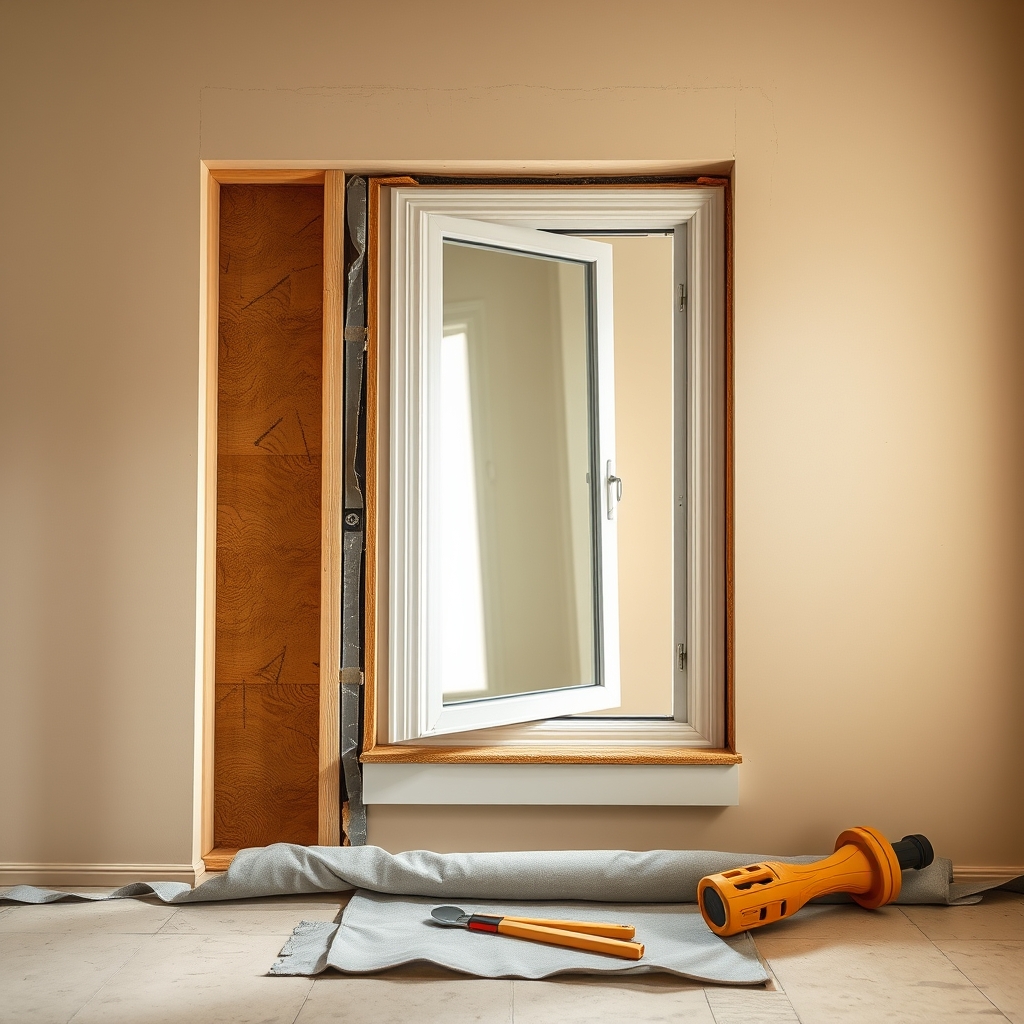
Window replacement bids are comparable only when they describe both the window being supplied and the work needed to install it correctly. Similar-looking products can involve different removal methods, opening repairs, flashing details, and finish restoration. A homeowner who compares only the bottom-line numbers may select a quote that leaves essential decisions unresolved.
For a Greater Houston renovation, ask each bidder to price the same intended result and identify work that cannot be confirmed until existing windows are removed. The Building America Solution Center guidance on complete window and frame replacement treats inspection, opening preparation, and water management as part of the project. Use that broader scope to compare proposals.
Confirm that each bid describes the same replacement method
Start by identifying what stays in the wall and what comes out. Complete window-and-frame replacement is not the same as an approach that retains parts of the original frame. Complete replacement exposes the rough opening and can disturb interior and exterior trim. Other approaches may limit disruption but depend more heavily on the condition of retained components.
Ask each bidder to describe the removal method plainly. Will the existing frame come out? Will the rough opening be exposed for inspection? Which casing, siding, or interior trim will be removed and restored? If the proposal assumes framing is sound, ask how that assumption will be verified.
Building America explains that full-frame replacement is relatively intrusive and often accompanies broader wall renovations. That does not mean every house needs it. Weigh access, disruption, existing conditions, and water-management opportunities against the intended scope.
Have each contractor state exclusions explicitly. A lower amount may be reasonable for a deliberately narrower project, but it should not be mistaken for an equivalent finished result.
Compare window performance labels for the actual rooms
Ask for the exact proposed window series, glazing, frame configuration, and opening style. Product alternatives should be identified before bids are compared, not introduced after selection as seemingly equivalent substitutions.
Building Science Education’s fenestration training explains ratings such as U-factor, solar heat gain coefficient, visible transmittance, and air leakage. U-factor concerns heat transfer through a window assembly. Solar heat gain coefficient concerns incoming solar heat. Visible transmittance describes daylight passing through the glazing. The measures address different goals.
In rooms with significant sun exposure, ask the designer or supplier to explain solar-control choices in relation to orientation, shading, daylight preferences, and cooling comfort. A shaded room may call for a different balance of priorities. Avoid copying a rating recommendation intended for another climate or building.
Request consistent performance documentation for the actual products being quoted. Compare labeled characteristics alongside operability, access, hardware, and warranty terms. No single figure settles whether a window is appropriate for its opening or the owner’s use.
Make drainage, flashing, and air sealing part of the scope
A manufacturer’s product rating cannot establish whether water will drain correctly at an existing opening. The interface between the new frame and the surrounding wall is an installation responsibility that belongs in the proposal.
Ask how the sill, jambs, and head of each opening will be prepared. How will incidental water be directed outward? How will flashing connect to an existing water-resistive barrier, if present? Who seals the frame-to-opening gap without blocking the designed drainage path? Who decides whether deteriorated materials must be replaced?
The Building America complete-replacement guidance distinguishes standalone window work from installations coordinated with new siding or exterior insulation. Older wall conditions can limit how a new window’s flashing connects to the original drainage layer. Ask for the proposed detail on this building, not a generic note.
If siding is also being replaced, coordinate both scopes through the remodeling and renovation process. Assign the sequence for opening preparation, flashing, siding, and trim. Otherwise, separate trades may each assume another is responsible for the water-shedding connection.
Assign responsibility for hidden repairs and disruption
Some window openings hide deteriorated framing or water damage despite acceptable visible finishes. Before construction, record stains, drafts, soft trim, persistent condensation, and prior repair attempts. These observations help a qualified professional investigate potential causes; they are not a substitute for assessment.
A useful bid explains the process when removal reveals damaged sheathing, an unsound sill, or dimensions unlike those assumed. Specify who documents the condition, who proposes the repair, and how the owner approves a change before it is concealed. A clearly identified allowance is different from an undefined promise to correct anything encountered.
Clarify access and protection for an occupied home. Who moves or covers nearby furnishings, protects floors, provides temporary weather protection, and handles removed glass and frames? Who restores paint, casing, surrounding siding, and any interior finishes disturbed during installation? The tasks should have named owners even when several trades are involved.
Older finishes may require evaluation for hazardous materials before disturbance. Let qualified parties evaluate the property rather than assuming all homes have the same risks.
For work across the Greater Houston service area, ask the responsible design and construction professionals to confirm the particular home’s requirements instead of relying on a universal installation detail.
Compare complete proposals and agree on handover
Build a side-by-side comparison separating product selection, removal method, opening preparation, flashing, air sealing, unknown-condition allowances, finish restoration, and verification. Compare exclusions as carefully as included work. The strongest offer defines the desired result and the responsibility for achieving it, rather than merely presenting a low headline number.
Request a window schedule matching each opening to the quoted product and configuration. Establish who measures and verifies openings, orders equipment, checks installation against applicable instructions, and handles any product mismatch found on site.
Before finishes conceal important details, discuss whether photographs or field records of flashing and repairs will be retained. At closeout, ask for a demonstration of window operation and locking, available product identification, warranty documents, maintenance information, and a review of interior and exterior finish work. Raise concerns while access remains straightforward.
Next step: Ask the bidders to clarify removal method, labeled product performance, water-management details, hidden-repair approvals, and finish responsibilities in writing. If window work is part of a larger renovation, contact Adila Construction with your proposed drawings and the conditions you want investigated.